Foam mattresses are constructed from energy-absorbing foam layers designed to contour to the body's curves, providing targeted pressure relief and motion isolation. They often incorporate varying densities to balance support and comfort, making them suitable for different sleeping positions. Understanding foam composition helps identify long-term durability and resilience in bedding systems.
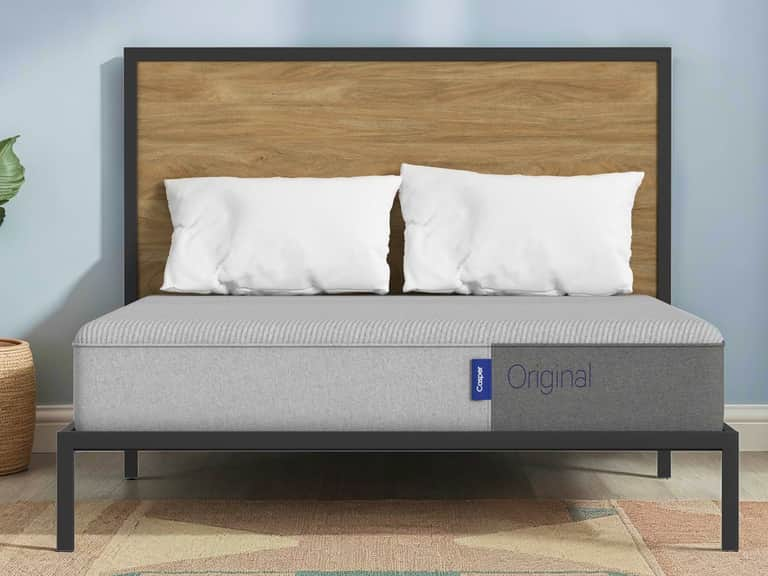
In the foam mattress category, the Original Mattress emphasizes balanced support with memory foam or polyurethane foams that cushion shoulders and hips while maintaining spinal alignment. Its layered structure aims to minimize pressure points, essential for restful sleep, particularly for sleepers seeking medium to medium-firm tactility and consistent performance over time.
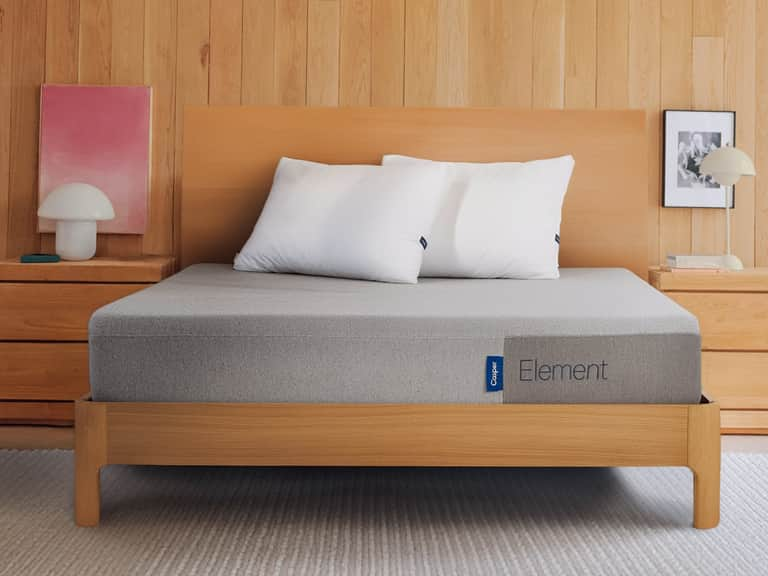
The Element Mattress focuses on adaptability and airflow, typically featuring breathable foam layers and supportive cores to promote temperature regulation. This design assists with even weight distribution and reduces motion transfer, benefiting couples and individuals who desire a stable surface with a softer initial feel that still supports alignment.
Key features often include transition layers, antimicrobial or plant-based foams, and removable covers for easy cleaning, contributing to healthier sleep environments. When evaluating foam mattresses, consider density, indentation force deflection, and whether the materials meet safety certifications, as these factors influence durability and long-term satisfaction.
For comfort longevity and compatibility with bedding accessories such as organic mattresses, crib mattresses, and compatible sheets, the foam mattress options align with overall sleep wellness goals. Bedding considerations—along with pillows and organic materials—play a role in maintaining clean air quality, reducing allergens, and sustaining a restful, neutral sleeping environment.
 Mattresses