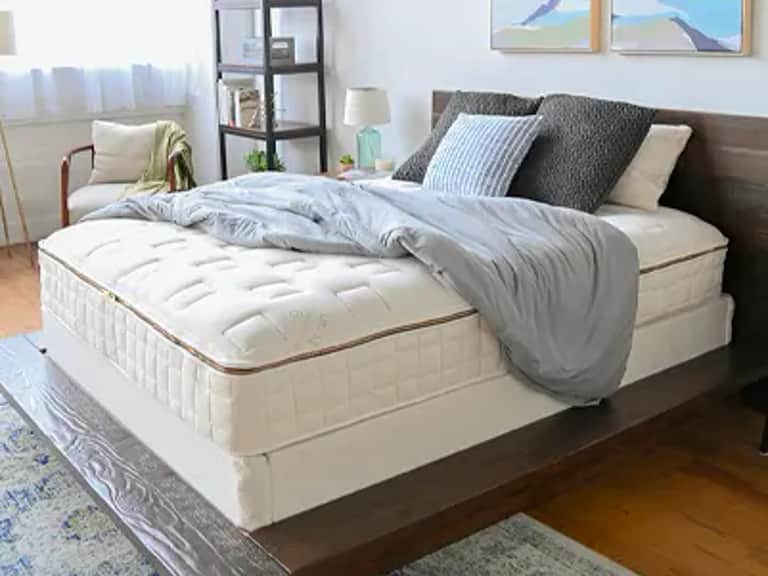
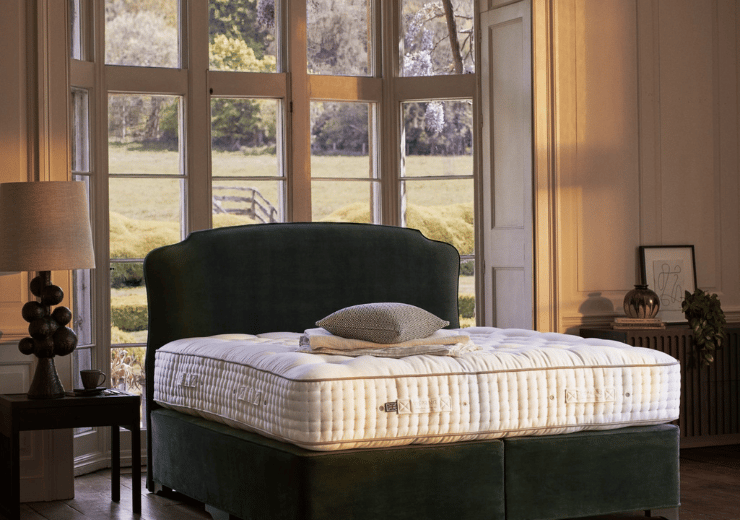
In a world increasingly tuned to sustainable living, the mattress is no longer simply a place to rest; it is a statement about health, materials, and responsibility. This exploration dives into the three core organic materials that power many eco-conscious beds: organic latex, natural wool, and organic cotton. We’ll uncover how each material shapes comfort, durability, temperature regulation, and overall sleep quality, while highlighting the certifications that help shoppers navigate claims with confidence.
The debate over “organic” vs. “natural” in sleep surfaces is nuanced. At its best, an organic mattress blends materials that are grown, harvested, and processed with minimal synthetic intervention, guided by rigorous standards. Certifications such as GOTS (Global Organic Textile Standard), GOLS (Global Organic Latex Standard), and OEKO-TEX Standard 100 offer third-party verification that the product meets particular thresholds for organic content, chemical safety, and overall environmental impact. For the conscientious consumer, these labels are more than badges; they are a map through a complex supply chain—from plantation and plantation-to-lab to finished mattress.
This feature is written in the spirit of a knowledge hub: accessible, precise, and anchored by credible sources. We’ll also meet three figures—from different eras—whose inquiries into material science and comfort shaped how we talk about sleep today, offering a narrative bridge between past insights and present-day eco-innovation.
Organic latex is typically Dunlop or Talalay processed rubber that starts its life as latex from rubber trees. It is valued for bounce, resilience, and a natural resilience to contouring the body. When harvested and cured under organic standards, latex becomes a durable backbone for supportive sleep surfaces.
Pros include strong durability, responsive feel, and good pressure relief. Cons vary by firmness and production method; some sleepers prefer the more uniform feel of Talalay or the springy responsiveness of Dunlop.
Wool is celebrated for moisture regulation, temperature neutrality, and natural flame resistance. When sourced from organic farms and processed without harsh chemicals, wool can wick moisture away, keep you warm in winter and cool in summer, and contribute to a healthier sleep climate.
Wool’s resilience also adds a layer of loft and contour without relying on synthetic foams. Careful sourcing matters: look for certifications and warrantees that affirm organic handling and animal welfare.
Organic cotton forms breathable covers and comfort layers. Its natural softness and softness-to-touch under a sheet can help reduce irritation for sensitive sleepers, while offering a stable, washable foundation for other layers.
Beyond feel, cotton’s hygroscopic properties contribute to comfort during varying sleeper temperatures. Look for GOTS-certified fabrics to ensure transparency in processing and dyeing practices.
The choice among latex, wool, and cotton, and the way they are configured (alone or in combinations such as latex-on-coil hybrids or wool-topped covers) defines how a mattress feels across the night. It also dictates how long the bed remains a faithful partner in your health journey. The following sections explore the tactile realities and practical implications of each core material.
Organic latex is a staple in many premium eco mattresses. Its distinctive elasticity creates a responsive surface that supports the hips and shoulders while reducing spinal misalignment. Depending on whether the latex is Dunlop or Talalay processed, you’ll notice slightly different pressure-relief profiles. Dunlop tends to be denser and more durable, while Talalay offers a more consistent, buoyant feel with uniform cell structure.
In practice, latex is often paired with a pocketed coil system or atop a latex layer in a hybrid configuration. The organic label matters most when the latex itself is produced to GOLS standards, ensuring that volatile organic compounds and allergens are minimized from the source through curing. For families seeking a long-lasting option that can tolerate a memory-foam-free approach, latex presents a compelling choice.
Wool’s superpower is moisture management. It can absorb humidity without feeling damp and release it when conditions are drier, contributing to a more stable microclimate at night. Additionally, wool is naturally flame resistant and tends to retain loft even after many nights of use, which helps preserve the perceived cushiness of the surface.
The wool in organic mattresses usually comes from certified suppliers who adhere to sustainable practices. The wool layer is frequently used as a comfort layer above support systems, where it can trap heat close to the body in cooler environments yet allow airflow to prevent overheating in warmer climates.
Cotton serves as the breathable shell and often a light comfort layer. Its softness is inviting for many sleepers, and when the fabric is GOTS-certified, the dyeing and finishing processes meet strict safety standards. An organic cotton cover paired with a wool or latex core offers a versatile, low-toxicity sleep surface suitable for sensitive individuals and children.
In addition to comfort, organic cotton plays a practical role in care. Cotton fabrics are generally machine-washable and durable with routine care, providing a simpler upkeep path than some synthetic materials.
The real compass for shoppers is the certification map. GOTS ensures organic content and responsible processing of textiles, including dyes. GOLS applies specifically to latex, ensuring the organic composition and manufacturing standards for latex products. OEKO-TEX Standard 100 focuses on chemical safety, guaranteeing that textiles are free from harmful substances. When you see these labels together on a mattress or its major components, you’re looking at a product designed with a holistic approach to health and environmental accountability.
The mattress configuration matters as much as the materials themselves. A latex core can stand alone as a high-quality all-latex mattress, or it can form the top layer of a hybrid, where coils deliver edge support and motion isolation. A wool-topped setup may lean toward comfort and climate control, particularly in variable climates, while organic cotton covers ensure a breathable, hypoallergenic finish.
For eco-conscious shoppers, a practical approach is to identify your primary sleep priorities—support, bounce, temperature regulation, and edge support—and then look for combinations that address those needs while carrying recognized certifications. The goal is a healthier sleep environment that aligns with values of sustainability and chemical safety.
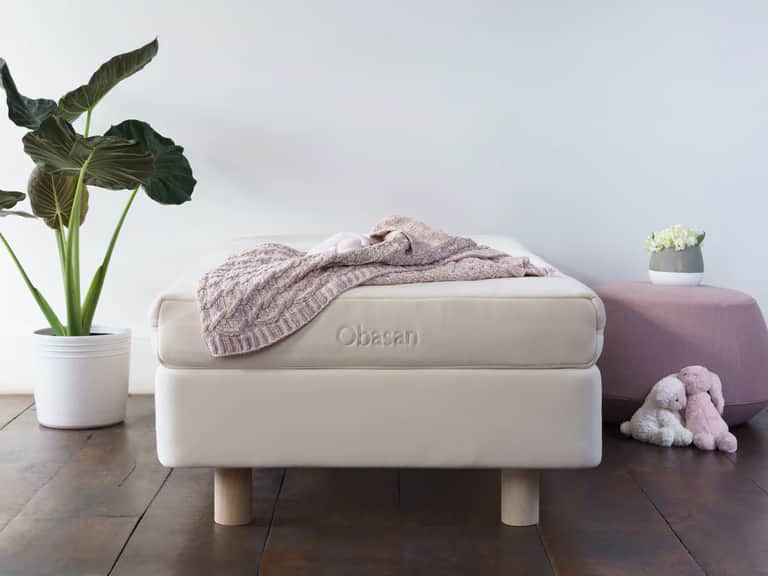
To illuminate how material thinking has evolved, we recall three influential figures from different eras who contributed to our understanding of materials, health, and habit. Their ideas echo through today’s eco-conscious mattresses and help frame the narrative of sustainable sleep.
A scholar who sought to illuminate natural philosophy with rigorous reasoning, Hypatia’s spirit reminds us to question assumed boundaries—such as what counts as “natural” in everyday fiber and how we verify claims. Her legacy challenges us to seek transparency in sourcing and to value careful observation when evaluating materials.
Pasteur’s experiments with microbes reshaped our understanding of safety and materials in daily life. In the context of mattresses, his insistence on evidence and testing underlines the importance of certifications and independent testing when evaluating the health claims of textiles and foams.
A living reminder that ecosystems, including supply chains for natural fibers, depend on stewardship and longevity. Goodall’s ethos of careful observation and accountability resonates with the sustainability standards that underpin organic materials in modern sleep products.
Together, these figures illustrate a throughline: the pursuit of knowledge, observation, and responsibility in the realm of materials. From Hypatia’s methodological curiosity to Pasteur’s insistence on empirical confirmation and Goodall’s stewardship ethos, their legacies encourage readers to interrogate how organic materials are sourced, processed, and certified—so sleep becomes not just a personal habit but a choice with planetary impact.
The decision process hinges on a few core questions: What’s the right blend of materials for your climate and sensitivity? Do you prioritize edge support or contouring? How important are certifications in your buying journey? Below is a practical framework to help you navigate selections with confidence.
The domain organicmattress.store carries the potential to evolve beyond a retail catalog into a trusted information resource—one that guides readers through the labyrinth of certifications, materials, and practices that define modern organic sleep products. The article above has drawn a map of how organic latex, wool, and cotton contribute to comfort, safety, and environmental stewardship. It has connected the theoretical to the practical with a lens grounded in reputable standards and a respect for consumer empowerment.
As you continue your journey toward an organic sleep environment, remember that the most important test is consistency between what a product claims and what it delivers in the bedroom. Certifications are helpful, but they don’t replace your lived experience. Sleep well, sleep thoughtfully, and let awareness of materials guide your choices.