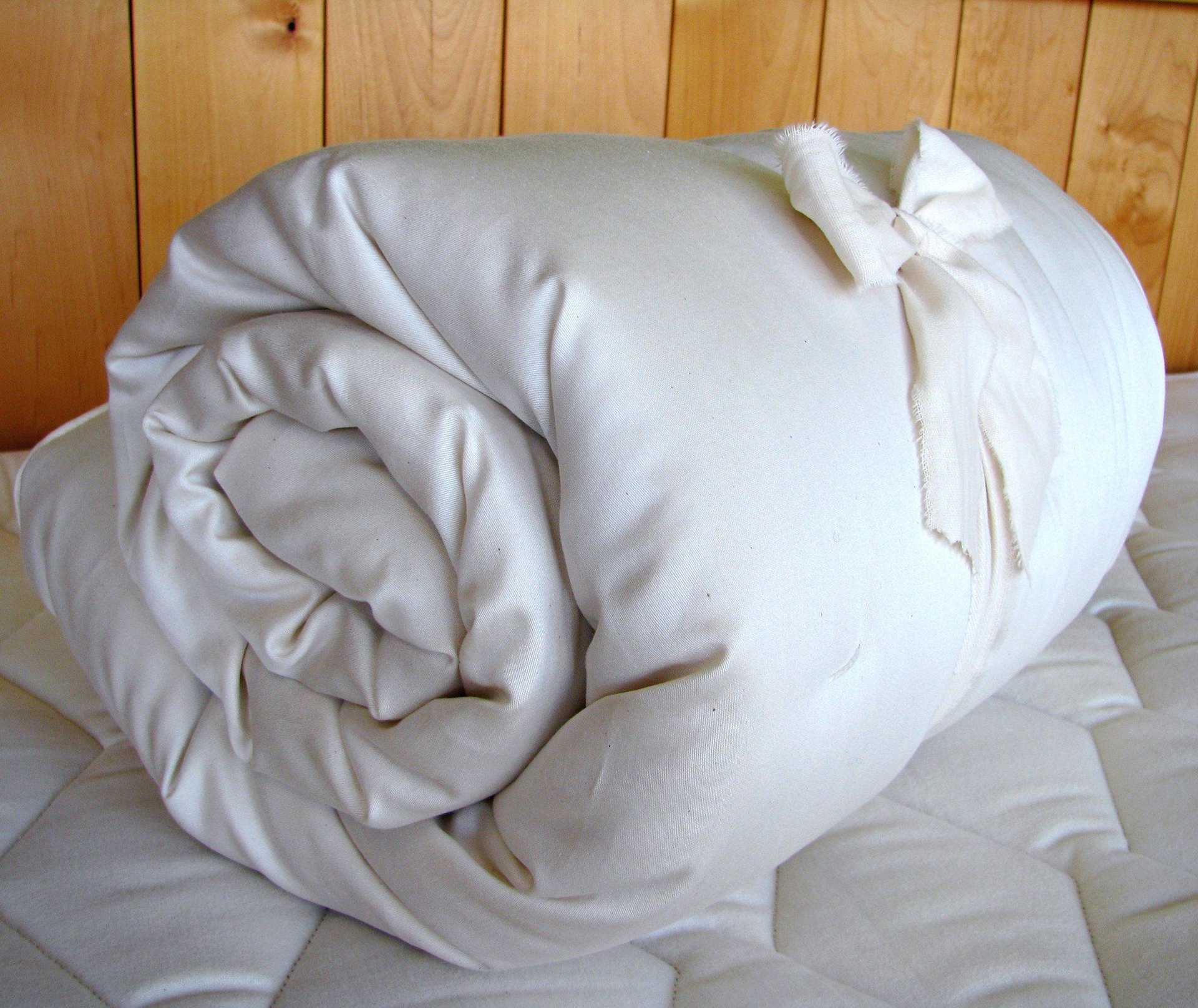
Mattress toppers add a responsive layer to sleeping surfaces, enhancing comfort, temperature regulation, and pressure distribution. In the category of Mattress Topper, emphasis is placed on materials, thickness options, and care requirements that affect nightly support. Understanding these factors helps align a topper with personal sleep preferences and health considerations such as back alignment and allergy sensitivity.
Organic mattress toppers prioritize natural materials and certified processes, reducing exposure to synthetic additives. This category highlights components like organic cotton covers, natural latex, and wool insulation, which contribute to breathability, moisture wicking, and durability. Consumers can compare fiber blends, certifications, and sustainability claims to determine suitability for sensitive skin.
Important features include thickness ranges, loft, and elasticity, which influence conforming support and edge stability. Functional benefits span pressure relief for hips and shoulders, improved spinal alignment, and temperature management through humidity control. When selecting a topper, consider the firmness level, sleeping position, and weight distribution to optimize comfort.
Within this category, specific products such as Natural Child's Crib Mattress Topper and Certified Organic Crib Mattress Topper illustrate compatibility with crib mattresses and gentle, non-toxic materials. These toppers emphasize infant safety, skin-friendly fabrics, and durable construction, while maintaining a low profile that fits standard crib dimensions and promotes restful sleep.
Key keywords for this topic include bedding, pillows, sheets, organic mattresses, and organic crib mattresses, which reflect a broader ecosystem of sleep products. By examining care instructions, certifications, and material provenance, users can assess long-term performance, maintenance needs, and overall health implications of a mattress topper choice.
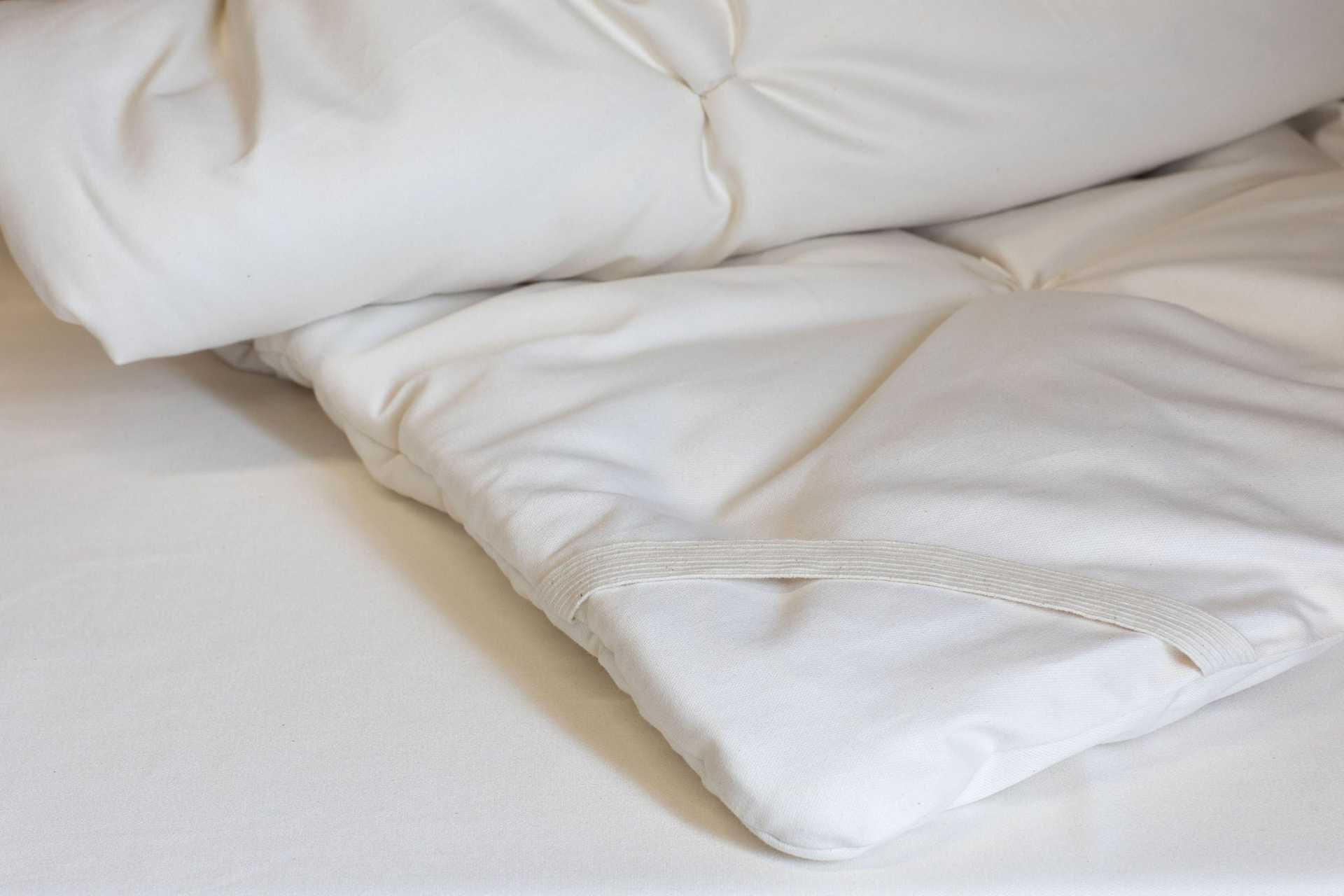 Bedding