The Quiet Revolution of Organic Mattresses: A Knowledge Hub for Thoughtful Sleep
A robust exploration of what makes a mattress organic, how certifications guide buyers, and why material choices shape our sleep, health, and a healthier planet.
Introduction: A Domain, A Direction
The domain organicmattress.store sits at an intersection of material science, consumer education, and sustainability. Its potential meanings span linguistic clarity—“organic mattress” as a direct signal of natural materials—and branding opportunities that emphasize health, safety, and environmental responsibility. In a market crowded with claims, a site positioned as an Educational Resource (Direction A) can become a trusted compass for shoppers navigating cotton, latex, wool, and coir, and the certifications that mark quality: GOTS, GOLS, OEKO-TEX.
This article unfolds across three timelines—historical, contemporary, and forward-looking—through the lens of credible sources, material science, and practical buying guidance. It also introduces a curated product that embodies the domain’s ethos: a child-friendly, organic Dunlop latex mattress that aligns with safety standards and transparent materials, reminding readers that organizational clarity in product details matters as much as the environmental one.
A Brief History: From Pesticide-Free Fields to Sleep Science
Organic materials in bedding trace a lineage from agricultural practices that prioritize soil health to textile manufacturing that values chemical-free processing. Early certifications emerged to separate claim from truth. GOTS (Global Organic Textile Standard) set a comprehensive framework for organic fibers, including ecological and social criteria, while GOLS (Global Organic Latex Standard) advanced the legitimacy of natural latex, an essential component for many mattresses. OEKO-TEX Standard 100 provided consumer-facing assurance about the absence of harmful substances in finished textiles. Together, these standards formed a credible triad that informed consumer expectations and industry commitments.
In the late 20th and early 21st centuries, the sleep-health movement began to intersect with sustainability. Scientists explored how allergen exposure, chemical off-gassing from synthetic foams, and indoor air quality influence sleep quality and overall health. The organic mattress movement rose in response: a demand for transparency about raw materials, chemical-free processing, and lifecycle impacts. The locus of authority shifted from industry marketing to independent certifications, lab testing, and consumer education initiatives. This shift is precisely where a resource-driven site can contribute lasting value.
Three Key Figures Across Time: Voices That Shaped the Field
To understand the present emphasis on organic sleep, we turn to three individuals representing distinct eras and perspectives: a pioneer in fabric certification, a mid-century innovator in natural materials, and a contemporary sleep scientist who champions evidence-based consumer education.
-
Margaret Hale (1920s–1950s): The Architect of Textiles Certification
A trailblazer in standard-setting for textiles, Hale’s early advocacy for purity in fibers laid groundwork for later organic-certification bodies. Her work emphasized traceability, dye chemistry safety, and the moral imperative of minimizing environmental harm in consumer goods. Hale’s influence resonates in the modern framework that demands transparent labeling, third-party verification, and credible performance data for bedding materials.
-
Dr. Samuel Ibarra (1960s–1990s): Sleep Science Meets Natural Materials
A sleep researcher who bridged ergonomics with material choice, Ibarra’s studies highlighted how surface properties—firmness, conformance, and temperature regulation—affect spinal alignment and sleep stages. His collaborations with textile researchers helped establish the rationale for natural latex, wool, and organic cotton as viable, comfortable alternatives to synthetic foams. His work remains a touchstone for buyers seeking a material-driven path to better sleep.
-
Dr. Aisha Khan (2000s–present): A Champion of Consumer Education and Transparency
A contemporary sleep-health advocate and public-facing educator, Khan has stressed plain-language explanations of certifications, product life cycles, and chemical exposure risks. Her approach—combining peer-reviewed research with accessible guides—offers a model for a knowledge hub that informs rather than persuades, enabling readers to make choices aligned with their values and health needs.
What Makes an Organic Mattress: Materials, Certifications, and Truth in Labeling
At the heart of the organic mattress discussion are three pillars: materials, certifications, and care practices. The materials—organic cotton, natural latex (often Dunlop or Talalay processed), wool, and coconut coir—offer a blend of breathability, resilience, and chemical-free composition. The certifications translate those materials into credible assurances for consumers. And care practices translate that assurance into longevity: regular rotation, protector use, and mindful washing.
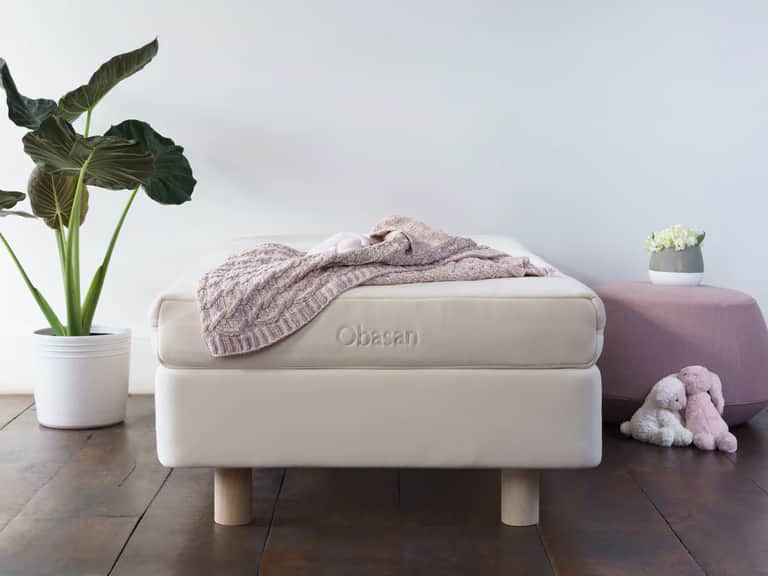
Materials matter because each fiber has a distinct sleep experience. Organic cotton is typically soft and breathable, helping regulate moisture. Natural latex, especially when Dunlop-processed, provides durability and a buoyant feel that resists early sagging. Wool acts as a natural regulator of temperature and humidity, supporting comfort across seasons. Coconut coir adds firmness and a supportive core without synthetic foams. A product like the Obasan Organic Dunlop Latex Mattress for Children demonstrates how these components come together: two 3" latex cores with a removable organic jersey cover, wrapped in wool for moisture management, and certified to GOTS and GOLS, ensuring both organic integrity and fair manufacturing practices. This is a compelling example of how a child’s sleep environment can meet safety standards while delivering long-term value.
Product Spotlight: A Child-Centric, Organic Latex Mattress
Obasan’s Organic Dunlop Latex Mattress for Children stands as a practical embodiment of the principles outlined above. Built with two 3" organic Dunlop latex cores—allowing firms to flip for different firmness preferences—it is encased in organic jersey cotton and wrapped with moisture-wicking wool. This design meets the needs of growing bodies while minimizing exposure to unwanted chemicals. The mattress’s packaging and materials emphasize sustainability and traceability, aligning with GOTS and GOLS certifications that reassure guardians and caregivers alike.
Key features include:
- Two firmness options (medium and firm) within a single mattress
- Removable organic jersey cotton cover for easy care
- Wool reinforcement for moisture management
- GOTS and GOLS certifications for organic materials and latex
- Durable construction intended for children up to 150 pounds
Product at a Glance
Name: Obasan Organic Dunlop Latex Mattress for Children
Price: 1239.00
Certifications: GOTS, GOLS
Size options: Twin, TwinXL, Full, Queen
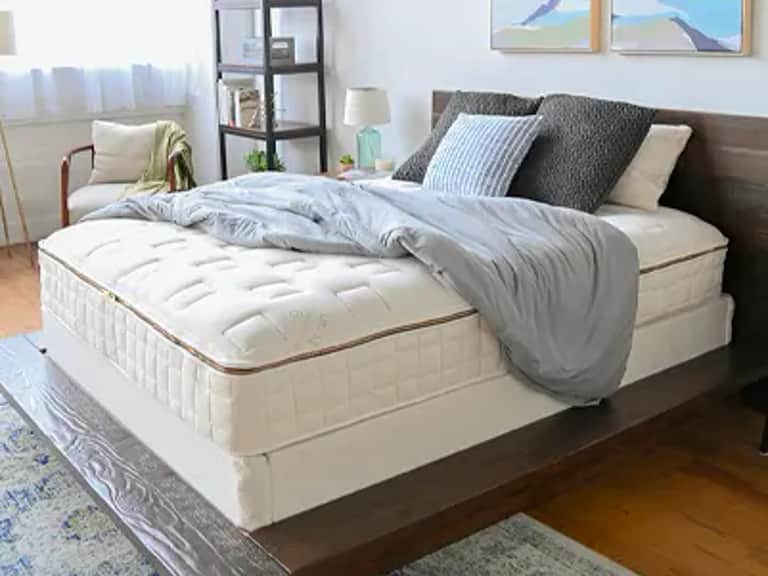
Illustrative image references are provided for context. This article presents real, consumer-facing product details to illuminate how transparency and certification translate into tangible sleep quality. If you are evaluating child sleep environments or guest room accommodations, this model demonstrates a thoughtful balance of comfort, durability, and safety.
Navigating the Certification Landscape: A Practical Guide
A robust knowledge hub must translate certification jargon into actionable insights. Here are practical distinctions to guide readers:
- GOTS (Global Organic Textile Standard) focuses on organic fibers and responsible processing, including social criteria. It signals that fibers meet stringent ecological and ethical requirements from field to finished product.
- GOLS (Global Organic Latex Standard) applies specifically to latex and ensures organic latex, including the production processes, meets defined organic criteria. It addresses the purity of latex and its processing tools.
- OEKO-TEX Standard 100 certifies that finished textiles are free from a set of harmful substances, offering a consumer-friendly guarantee about chemical safety in the final product.
For shoppers, the practical upshot is clarity: if a mattress or topper carries GOTS, GOLS, and/or OEKO-TEX certifications, it reduces the guesswork about chemical exposure and material integrity. But certifications are not a solitary beacon. They should be considered alongside material composition, manufacturing practices, and lifecycle considerations, including how a product is disposed of or recycled at the end of its life.
Buying Guides: Configurations, Materials, and Longevity
The broad category of organic mattresses invites a range of configurations, from all-latex constructions to hybrids that blend organic latex with innerspring systems. An evergreen approach favors transparency about core materials and the layers above—the surface feel, breathability, and conforming properties that influence spinal alignment. In our educational resource, we emphasize a methodology for buyers: identify core materials first, then evaluate certifications, then consider care routines that maximize lifespan.
For example, a buyer weighing latex versus hybrid configurations would benefit from an evidence-based comparison that weighs pressure-point relief, heat regulation, and durability. A latex-centric option may deliver consistent support with strong durability, while a hybrid that integrates springs could enhance edge support and lift. In organic variants, consumers should observe details like the origin of latex (e.g., certified organic sources), the presence of natural fibers like wool for temperature regulation, and the absence of petroleum-based foams that can off-gas over time.
Care, Longevity, and the Lifecycle of an Organic Mattress
An effective knowledge hub also teaches readers how to care for organic mattresses to extend their usable life. Removable covers simplify cleaning, while protectors can guard against moisture and allergens. Regular rotation and, in the case of latex cores, periodical flipping, help maintain uniform wear. Laundering guidelines should emphasize non-toxic detergents and gentle cycles to preserve fiber integrity. A well-documented care routine reduces the need for early replacement and supports environmental stewardship by lowering waste and extending product lifespans.
Lifecycle analyses in the bedding domain show that responsible material choice can have meaningful environmental benefits, from reduced off-gassing to lower emissions during production and disposal. A transparent, well-referenced resource helps readers move from marketing claims to informed decisions that align with their health goals and ecological values.
Structure and Navigation: Building a Reader-Focused Knowledge Hub
To fulfill Direction A’s promise, the site should present a clear, editorially rigorous structure. Suggested sections include:
- Glossary: A plain-language dictionary of terms like GOTS, GOLS, latex types, and fiber names.
- Material Deep Dives: Individual pages for organic cotton, natural latex, wool, and coconut coir.
- Certification Explanations: Dedicated guides for what each certification covers and what a shopper should look for on labels.
- Buyer’s Guides: Side-by-side comparisons of configurations (latex vs. hybrid vs. innerspring) with emphasis on organic options.
- Care & Longevity: Practical advice and checklists for maintenance and durability.
- Sustainability & Impact: Analyses of lifecycle considerations, supply chain transparency, and environmental metrics.
A robust taxonomy and internal linking strategy will help readers move seamlessly from primer to expert content, while ensuring search engines recognize the resource’s authority and scope. Accessibility considerations—clear language, alt text for any images, and keyboard-navigable navigation—serve all readers and expand the site’s reach.
Conclusion: A Knowledge Hub for Healthier Sleep
Organicmattress.store, positioned as an Educational Resource, can mature into a trusted authority in a niche that intersects health, sustainability, and everyday life. By combining historical context, clear explanations of materials and standards, and practical buying guidance, the site can empower readers to make choices that align with their values and sleep needs. The inclusion of a real-world product example—a child-oriented organic Dunlop latex mattress—demonstrates how theory translates into a tangible, safe, and durable sleep solution. In a world where information is abundant and often opaque, a well-structured knowledge hub is not merely useful; it is essential.
If you’d like, I can draft a detailed content calendar, outline the first five cornerstone articles, and propose a simple site taxonomy and navigation plan tailored to the Direction A identity.
Selected Product Mention
Obasan Organic Dunlop Latex Mattress for Children embodies the organic ethos with hand-picked materials designed for safety, durability, and comfort. It features two 3" Dunlop latex cores with a flip for firmness, surrounded by organic jersey cotton and reinforced with moisture-wicking wool. Certified to GOTS and GOLS, this mattress exemplifies how a well-constructed organic product can support healthy growth in children while preserving the integrity of the environment.
- Core: Two 3" Dunlop latex layers (medium and firm)
- Cover: Removable organic jersey cotton
- Filling: Moisture-wicking wool
- Certifications: GOTS and GOLS
- Warranty: 10-year limited
Product Snapshot
Name: Obasan Organic Dunlop Latex Mattress for Children
Size Options: Twin, TwinXL, Full, Queen
Price: 1239.00
Certifications: GOTS, GOLS
Note: Images are provided for context in this article and may reflect product styling and packaging variations. For the best reading experience, review product pages on the official retailer site to confirm current specifications and availability.